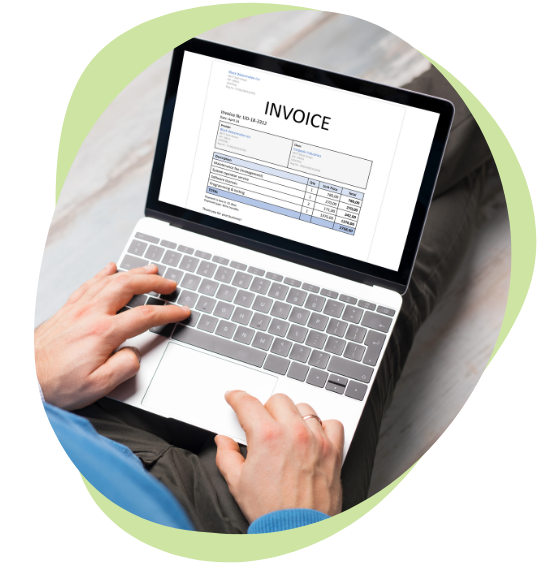
Global eInvoice API For Compliance Infrastructure

AassureComply’s global e-invoicing API connects ERP and accounting systems with multi-country invoice validation, submission, status tracking and compliance workflows, reducing manual integration and regulatory processing.

Trusted Compliance Coverage

Global eInvoicing Needs More Than One Connector

Global e-invoicing requires more than connecting ERP systems to a single invoice network. Each country may have different document formats, validation rules and submission requirements.

A global e-invoicing API helps businesses manage invoice data, regulatory checks and processing events across supported markets without maintaining separate integrations for every jurisdiction.

AassureComply supports connected international workflows. Businesses can explore multi-country e-invoicing compliance to understand country-specific requirements and integration challenges.

three img

API Infrastructure For Multi-Country Workflows

AassureComply gives teams the API building blocks needed to manage eInvoice workflows across markets.

Invoice Validation API

Validate invoice fields, tax details, buyer records, supplier data and document structure.

Submission API

Move validated invoice records into supported country or network submission workflows.

Status API

Track invoice lifecycle events such as validated, submitted, accepted, rejected or action-required.

Webhook Events

Receive real-time updates for validation failures, delivery status and compliance exceptions.

Entity Configuration

Manage invoice settings by company, branch, country, tax profile or operating unit.

Audit API Records

Keep API activity, validation responses, timestamps and user actions easier to review.

From Source Data To Global eInvoice Event

AassureComply helps businesses move invoice data from internal systems into compliant global workflows.

Other PEPPOL Markets

Add supported countries after coverage is verified by product and compliance teams.

Country Coverage Areas

Step 1: Connect Invoice Source

Send invoice, customer, supplier, item, tax, currency and entity data through API workflows.

Step 2: Apply Country Rules

Use configured rules for invoice fields, tax treatment, document types and validation logic.

Step 3: Validate The Payload

Check missing fields, mapping issues, unsupported codes and document structure problems.

Step 4: Submit Or Route

Move valid records forward or route failed records to exception workflows.

Step 5: Track Final Status

Use status updates, webhooks and audit logs to monitor every invoice event.

Built For CTOs And Developer Teams

A global e-invoicing API helps CTOs, developers and ERP teams manage country-specific invoice workflows through connected infrastructure. Understanding PEPPOL API integration with ERP systems also helps teams evaluate validation, webhooks and document exchange requirements.

B2G Use Cases

For CTOs

Reduce the need to build and maintain separate country-specific eInvoice infrastructure.

For Developers

Use APIs, webhooks and structured responses to connect invoice workflows faster.

For ERP Teams

Connect compliance workflows around existing ERP data without replacing core systems.

For Platforms

Embed invoice validation, status tracking and compliance workflows into your product.

For Enterprises

Support multiple entities, markets and invoice sources through one connected API layer.

e invoicing

Connect E-Invoicing APIs With ERP and Compliance Systems

Connected Workflow Areas

Integration Areas

7
4
5
8
3
1
2
6

Plan your Global API Infrastructure

Start with API-based invoice validation and scale into multi-country submissions, webhooks, entity configuration, ERP integration and advanced compliance automation.

e-invoice

Frequently Asked Questions

What is a global eInvoice API?

A global eInvoice API connects ERP, accounting and billing systems with electronic invoice processing across multiple countries. It supports structured invoice validation, submission, status tracking and regulatory workflows through compatible integrations. Understanding global e-invoicing compliance requirements helps businesses evaluate country-specific rules before implementing international electronic invoicing.

How is this different from a normal invoice API?

A normal invoice API may only create or send invoice records. A global eInvoice API also needs to handle country rules, tax fields, buyer identifiers, validation logic, document formats, submission responses and compliance evidence.

Can AassureComply support multi-country eInvoicing API workflows?

Yes. AassureComply is designed to support multi-country eInvoicing API workflows by helping teams validate invoice data, apply country-specific rules, track statuses and connect records with audit trails.

Does the API support webhooks?

Webhook functionality enables connected applications to receive automated notifications about supported invoice processing events, including validation results, submission updates and errors. AassureComply describes webhook capabilities within its API infrastructure. Developers can also evaluate PEPPOL API integration to understand event-based document processing and ERP connectivity.

Can this API connect with ERP systems?

Yes. A global e-invoicing API can connect compatible ERP, accounting and billing systems with country-specific electronic invoicing workflows. Integration reduces manual data transfers and supports automated invoice validation and submission. Businesses using SAP, Oracle or Microsoft Dynamics can explore ERP e-invoicing integration while confirming system compatibility and supported connectors.

Is this useful for enterprise teams?

Yes. A global e-invoicing API helps enterprises manage electronic invoice processing across multiple entities, ERP systems and jurisdictions. It supports centralized validation, transaction monitoring and consistent compliance workflows. Enterprise finance teams can also use the Compliance Dashboard to improve visibility into invoice exceptions and regulatory processing activities.