

- S3/520 Collins St, #1191, Melb. VIC 3000, Australia
- info@aassurecomply.com
Receive Compliant e-Invoices With Audit Control
Auto-validate supplier invoices, track approvals and keep audit-ready evidence before payables reach your books or ERP.
Trusted Compliance Coverage
- PEPPOL Compliant
- MyInvois Compliant
- Approval Workflow Ready
- Auto-Validation Ready
- Audit Trail Enabled
- ERP Integration
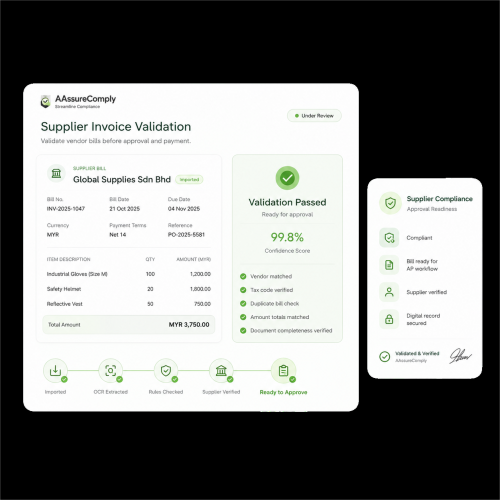
Validate Supplier Invoices Before Posting
AassureComply checks supplier invoice data before it enters accounting, helping teams reduce errors, rework and compliance risk.
Validate supplier, tax, invoice and entity data before posting to books.
Flag missing fields, duplicate invoices and format issues before approval.
Apply country-specific rules for PEPPOL, MyInvois and InvoiceNow workflows automatically.
Route exceptions to the right finance owners quickly for action.
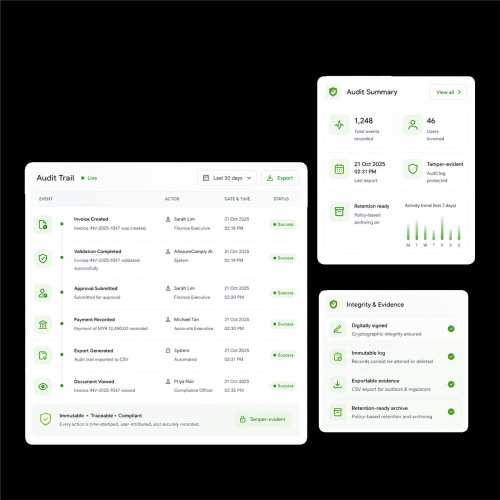
Keep Audit Trails For Every Invoice
Every invoice action should be traceable, especially when finance teams face audits, disputes or compliance reviews.
Record validations, approvals, corrections and submission history automatically for every invoice.
See who approved, changed, rejected or cleared each invoice inside workflow.
Keep evidence ready for finance, tax and compliance reviews anytime.
Track supplier, entity and network status across payables in detail.
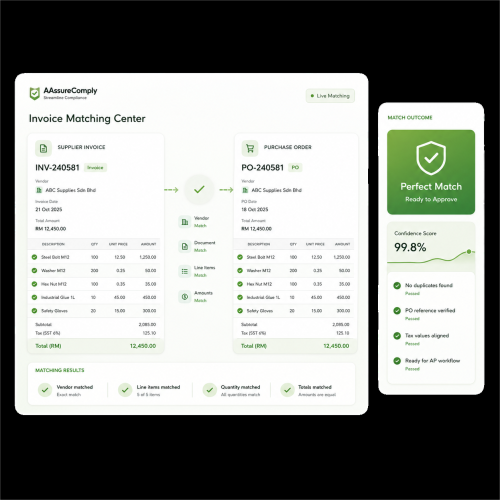
Match Invoices To Orders And Records
AassureComply helps finance teams connect supplier invoices with purchase orders, business records and approval workflows.
Match invoices against POs, contracts and goods received notes accurately.
Push approved invoice data into ERP or accounting systems cleanly.
Separate workflows by entity, branch, client or supplier group cleanly.
Reduce manual AP checks and month-end invoice surprises for CFOs.
Built For SMEs And CFOs
AassureComply gives SMEs simpler payable controls and gives CFOs clearer visibility across supplier invoice risk.
For SMEs
Reduce supplier invoice confusion before payments reach approval queues internally.
Avoid manual checks across email, portals and spreadsheets during payables.
Receive compliant invoices without building a large finance operations team.
For CFOs
View payable risk, pending exceptions and audit exposure by entity.
Improve close confidence with cleaner invoice approval evidence across entities.
Track supplier compliance before errors affect reporting or cash decisions.
Frequently Asked Questions About Receiving Invoices
What does the Receive Invoices module do?
The Receive Invoices module helps businesses capture, validate, approve and track supplier e-Invoices before they enter accounting or ERP systems. It supports auto-validation, exception handling, audit trails and cleaner payable workflows for SMEs and finance leaders.
How does invoice auto-validation work?
AassureComply checks supplier invoice data against required fields, tax details, entity rules and supported e-invoicing workflows. It flags missing data, format issues, duplicate invoices and approval gaps before finance teams post or process the invoice.
Does AassureComply create invoice audit trails?
Yes. AassureComply keeps audit trails for invoice validation, approvals, corrections, rejections and status changes. This gives finance teams clearer evidence for internal reviews, tax checks, supplier disputes and compliance reporting.
Can supplier invoices connect with our ERP?
Yes. AassureComply is designed to connect invoice data with ERP, accounting, POS and business systems through integrations, imports and APIs. Supported systems should be confirmed before publishing exact native integration claims.
Is this useful for CFOs?
Yes. CFOs get better visibility into supplier invoice risk, approval delays, entity-level exceptions and audit exposure. This helps reduce month-end surprises and gives finance leaders more confidence in payable data before reporting.