

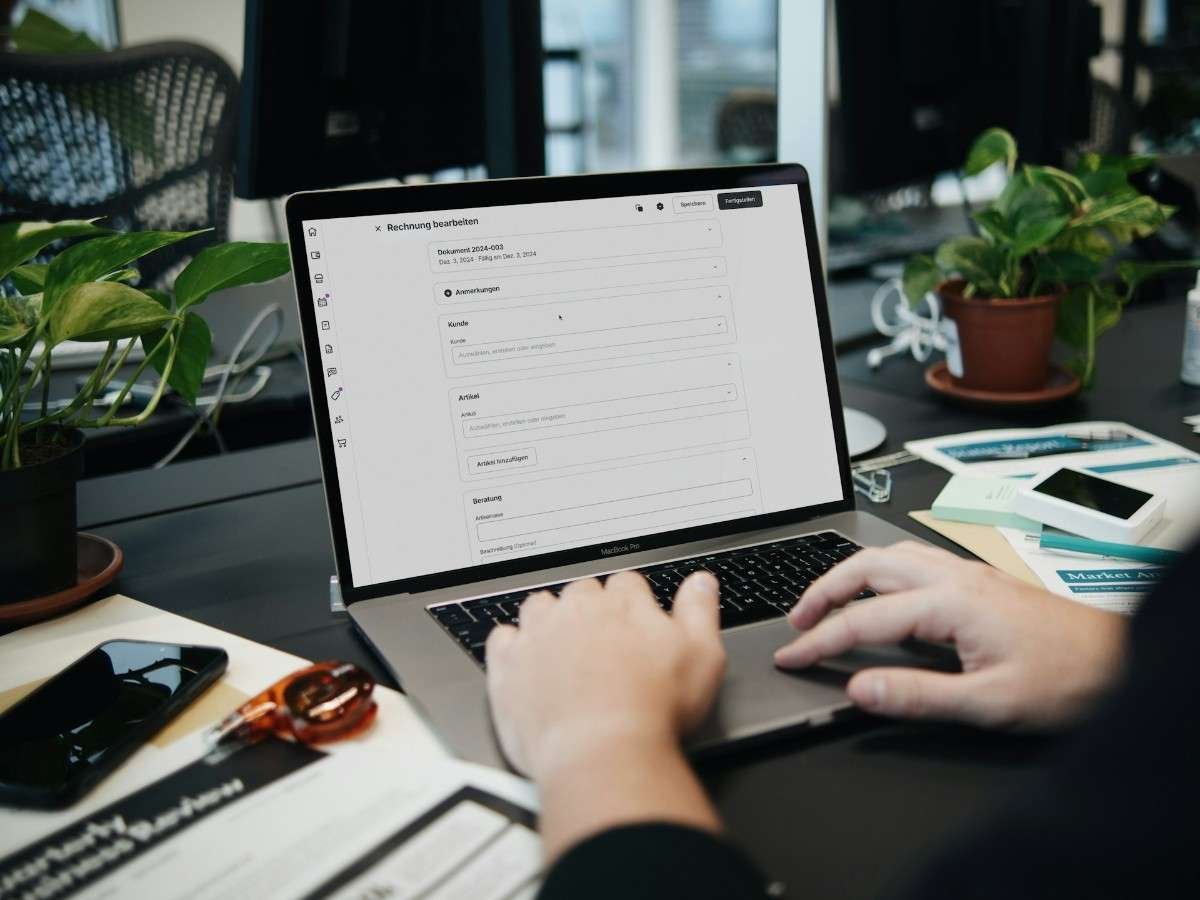
Let’s be honest. Invoicing is rarely anyone favorite part of running a business. Printing, posting, chasing, filing—it’s a time-consuming, error-prone, paper-based headache. What if you could send an invoice that arrives instantly, can’t get lost, and is automatically processed by your customer’s system? And what if you could do this with any customer, anywhere, as easily as sending an email?
This isn’t a futuristic dream. It’s happening right now through a system called the Peppol network. Think of it as a secure, global postal service, but exclusively for business documents, such as invoices, purchase orders, and delivery notes.
If you’ve been asked to get “Peppol-ready” or are just sick of the paper chase, this guide is for you. We’ll break down how to connect in plain English, without the confusing tech-speak.
First, What Exactly Is This Peppol Thing?
Imagine the internet before email. If you used CompuServe and wanted to email someone on AOL, you couldn’t. They were separate, closed networks.
The world of e-invoicing was like that. Different companies and governments used different systems that couldn’t talk to each other. Peppol (Pan-European Public Procurement On-Line) solved this. It’s not software; it’s a set of rules and standards—a common language—that allows any system, anywhere, to exchange documents seamlessly.
It’s like how everyone agrees to use the same size and shape of envelope and the same addressing format for mail. Because everyone follows the same rules, the postal service (the Peppol network) can efficiently deliver anything, anywhere.
The Golden Key: Your Peppol Access Point
You can’t just log into a “Peppol website” to send an invoice. To get on the network, you need a guide. This guide is called a Peppol Access Point.
An Access Point is a company that is certified and connected to the Peppol network. They act as your personal post office for e-documents. You send your invoice to your Access Point (usually via your accounting software), and they take care of everything else: translating it into the standard Peppol format, securely sending it across the network, and delivering it directly into your customer’s system.
Crucially, you must choose a Peppol-certified access point. This means the company has been rigorously tested and approved to ensure it meets all the strict security and reliability standards of the Peppol network. It’s the difference between trusting your important package to the official postal service versus a random person on a bike.
How to Actually Connect: Your 4-Step Journey
Connecting isn’t a massive technical overhaul. For most businesses, it’s a straightforward process.
Step 1: Take a Look Under the Hood (Your Current Systems)
The first step is to look at how you currently create and send invoices. Do you use software like QuickBooks, Xero, Sage, or a larger ERP accounting system like Microsoft Dynamics or SAP? Most modern accounting software already has the plumbing for e-invoicing.
Step 2: Find Your Guide (Choose a Certified Access Point Provider)
This is your most important decision. You’ll need to find a provider that is a Peppol-certified access point. A simple web search for that term will bring up a list of providers. Many of these providers also offer Peppol e-invoicing software solutions that can either integrate with your existing system or provide a simple web portal if you don’t use accounting software.
Step 3: Get a Peppol ID (Your Business’s Unique Address)
Just like you need an email address to receive emails, you need a Peppol ID to receive e-invoices. This is a unique number that identifies your business on the network. The great news is, your Access Point provider will almost always handle the paperwork and register you to get this ID. It’s a quick and usually free process.
Step 4: Start Sending! (Integration and Onboarding)
Now, you connect your system to your chosen Access Point. This is where Peppol integration with ERP accounting systems comes in. A good provider will have simple, pre-built connectors for popular software. Once connected, you simply click “send” on your invoice as usual. Behind the scenes, your software talks to the Access Point, which whisks the invoice away to your customer. It’s that simple.
Why Bother? The Benefits Are Real
Get Paid Faster: Invoices arrive instantly and are processed automatically, slashing days off your payment times.
Zero Errors: No more typos, lost emails, or mail going to the wrong department. Automated data means no manual entry mistakes.
Huge Cost Savings: Say goodbye to paper, ink, postage, and the countless hours spent on manual processing.
Global Reach: You can easily trade and invoice any other business on the Peppol network, which is now active in over 40 countries.
Security: Is This All Safe?
Absolutely. In fact, it’s far more secure than email or post. Secure e-invoicing with Peppol is a core feature. Every document is encrypted, every Access Point is certified, and every transaction is logged and traceable. It’s one of the most secure ways to send business information available today.
Frequently Asked Questions (FAQs)
Q: Do I need to be a huge company to use Peppol?
A: Absolutely not! Peppol is designed for businesses of all sizes, from sole traders to massive corporations. Many Peppol e-invoicing software solutions are built specifically for SMEs.
Q: My customer is on Peppol, but I have another customer who isn’t. What do I do?
A: No problem. You can use Peppol for the customers who require it and keep sending invoices via email or post to everyone else. Your Access Point provider can often help you manage multiple ways of sending.
Q: Is Peppol only for invoices?
A: While e-invoicing is the most common use, the Peppol network can also be used for purchase orders, dispatch advice (shipping notices), catalogues, and other business documents.
Q: How much does it cost to connect?
A: You generally don’t pay to be on the network. Instead, you pay your Access Point provider for their service. This is usually a small monthly subscription fee or a tiny fee per document sent—far less than the cost of a stamp and your valuable time.
Q: Is this mandatory?
A: It depends on where you are and who you do business with. In many countries (especially in Europe and Australia), it’s becoming mandatory for businesses to be able to receive e-invoices from government agencies. Many large corporations are also requiring their suppliers to use Peppol. Getting ahead of the curve is a smart business move.
Making the switch might seem daunting, but it’s one of those rare changes that saves you time, money, and stress from day one. It’s about working smarter, not harder, and leaving the paper chase behind for good.